Fishy Smell in House? (It's Not Fish—It's Your Wiring!)
⚡ A fishy smell is a classic sign of electrical problems. Learn why burning wires smell like fish and what to do immediately.

⚡ A fishy smell is a classic sign of electrical problems. Learn why burning wires smell like fish and what to do immediately.
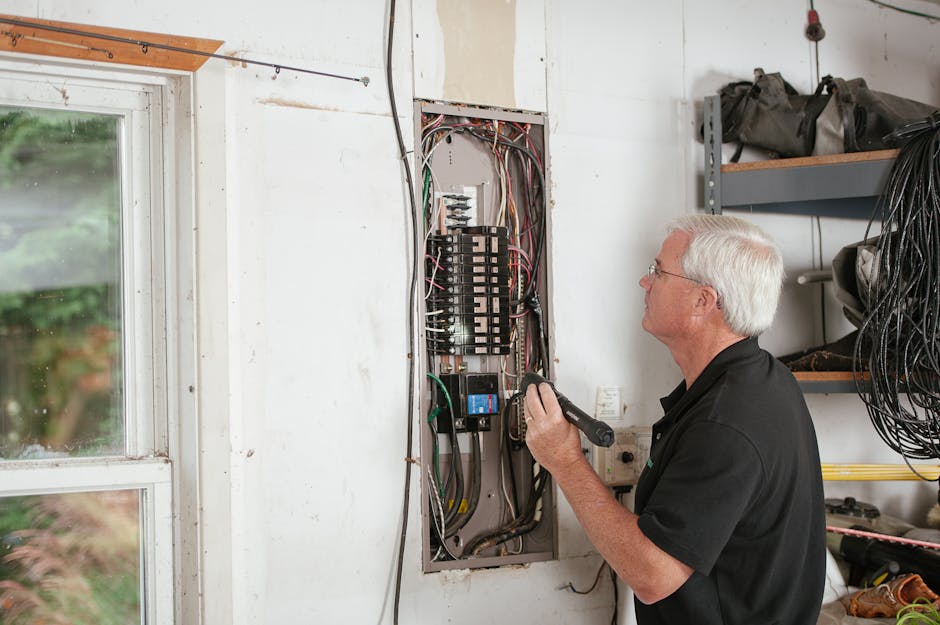
If you notice a fishy smell in your home and you haven't been cooking fish, it could be a serious electrical problem. Burning electrical wiring, outlets, and switches often produce a distinct fishy or urine-like odor. This is caused by the plastics and insulation in electrical components breaking down under heat.
This smell is a warning sign that should never be ignored. It indicates overheating electrical components that could lead to fires. Understanding why this happens and what to do can protect your home and family.
The fishy odor comes from the thermal breakdown of plastics and polymers used in electrical insulation. When these materials overheat, they release chemical compounds that produce a smell similar to fish or urine. Common sources include:
When these materials overheat, they release formaldehyde and other compounds that create the characteristic fishy smell.
When too many devices are plugged into a single outlet, the connections can overheat. The heat breaks down the plastic components in the outlet, releasing the fishy odor. This is particularly common with older outlets that may have degraded over time.
Loose connections create resistance, which generates heat. As the heat builds up, it breaks down the wire insulation and outlet components, producing the smell. Loose connections are a major fire hazard and should be addressed immediately.
Switches that are failing internally often overheat as the contacts degrade. The heat breaks down the switch's plastic housing and internal components, creating the fishy odor. This is more common in older homes with original switches.
Circuit breakers that are failing or overloaded can overheat within the panel. The heat breaks down the breaker's plastic housing, producing the smell. This is particularly dangerous as it affects the entire electrical system.
Wiring that has been damaged by rodents, nails, or age can have exposed conductors that arc and overheat. The heat breaks down the wire insulation, creating the fishy smell. Damaged wiring is a serious fire hazard.
Homes with aluminum wiring (common in the 1960s-1970s) are particularly prone to connection problems. Aluminum expands and contracts more than copper, causing connections to loosen over time. These loose connections overheat and produce the fishy smell.
While fishy is common, electrical burning can produce other odors:
Any unusual burning smell should be investigated promptly.
Call 911 immediately if:
These are signs of an active electrical fire. Evacuate immediately and call emergency services.
The fishy smell is particularly insidious because:
By the time you notice the smell, significant damage may have already occurred. This is why prompt professional inspection is critical.
A licensed electrician will:
Electrical odors should never be ignored or repaired by unqualified individuals. The risk of fire and injury is too high.
If you're noticing fishy or other burning smells in Newcastle or the surrounding areas, Clarity Electric can help. We can identify the source of the odor and provide safe, effective repairs.
Call us at (425) 210-4791 or request a free quote for electrical inspection and repair.