Why Is My Circuit Breaker Hot to the Touch?
⚡ Electrical safety warning: A hot breaker is a serious issue. Learn why it happens and what to do.

⚡ Electrical safety warning: A hot breaker is a serious issue. Learn why it happens and what to do.
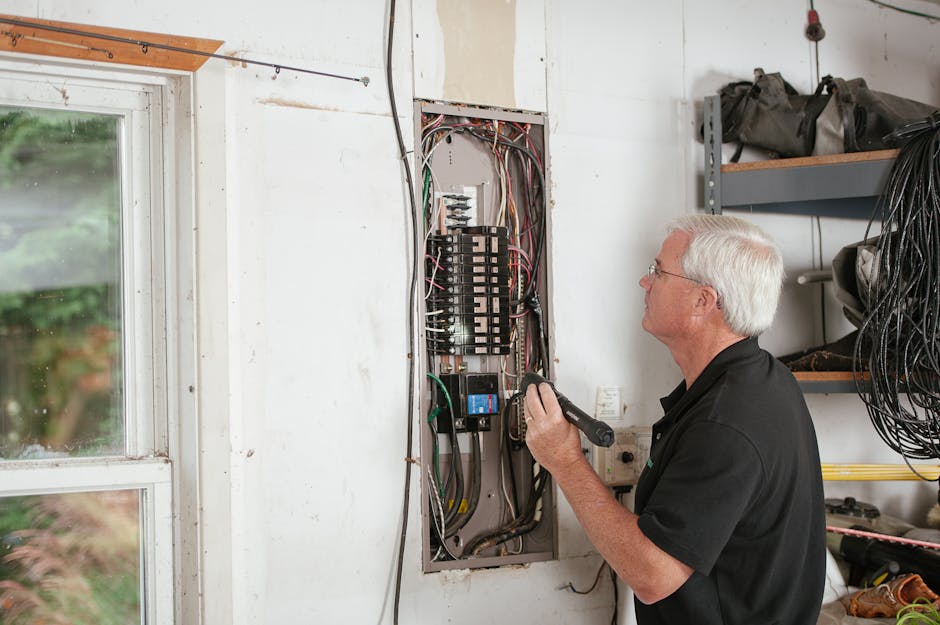
If your circuit breaker feels hot to the touch, this is a warning sign that should not be ignored. While a slightly warm breaker can be normal under heavy load, a hot or scorching breaker indicates a serious electrical problem that needs immediate attention.
A circuit breaker that's hot to the touch typically means one of three things: overloading, loose connections, or a failing breaker itself. All of these can lead to electrical fires if left unaddressed.
Breakers can generate some heat during normal operation—that's why they have thermal trip mechanisms. However, there's a difference between warm and hot:
The most common cause is simply too much electricity flowing through the circuit. When you run multiple high-draw appliances (space heaters, AC units, hair dryers) on the same circuit, the breaker heats up as it approaches its rated capacity. This is actually the breaker doing its job—protecting your wiring from overheating by tripping before damage occurs.
Solution: Reduce the load on the circuit by unplugging devices or redistributing them to different circuits. If this happens frequently, you may need a dedicated circuit installed for high-draw appliances.
Over time, the electrical connections inside your panel can loosen due to thermal cycling (heating and cooling). Loose connections create resistance, which generates heat. This is particularly dangerous because the heat can damage the breaker and the wire insulation, potentially leading to arcing and fire.
Solution: This requires a licensed electrician to open the panel and tighten all connections. Never attempt to open your electrical panel yourself—there are live components even with the main breaker off.
Breakers can fail internally due to age, corrosion, or manufacturing defects. A failing breaker may not trip properly when it should, allowing dangerous amounts of current to flow. The internal mechanism can also fail in a way that causes excessive heat buildup.
Solution: Replace the breaker. This is a relatively simple repair for an electrician but requires matching the exact breaker type and amperage rating.
If someone installed a higher-amperage breaker on wiring that's too small to handle it, the wires will overheat before the breaker trips. This is a serious code violation and fire hazard. The breaker itself may also overheat as it struggles to carry more current than it was designed for.
Solution: The breaker must be replaced with the correct amperage for the wire gauge, or the wiring must be upgraded to handle the load.
Call a licensed electrician right away if you notice:
If you're dealing with a hot circuit breaker or any other electrical issue in Newcastle or the surrounding areas, Clarity Electric is here to help. We provide same-day service for urgent electrical problems and can inspect your entire electrical system to ensure your home is safe.
Call us at (425) 210-4791 or request a free quote for panel inspection and repair.