Why Your Breaker Keeps Tripping
Five common causes — and when a tripping breaker means it is time to call an electrician.

Five common causes — and when a tripping breaker means it is time to call an electrician.
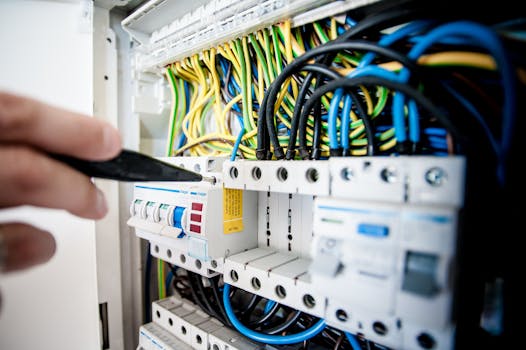
A circuit breaker that trips once in a while is doing its job — protecting your wiring from overload. But a breaker that trips regularly, trips the moment you reset it, or trips for no obvious reason is a sign that something needs attention. Here are the five most common causes we see in Newcastle and Seattle-area homes.
The most common cause. An overloaded circuit simply means you are drawing more current than the breaker is rated for. This typically happens on kitchen circuits with multiple high-draw appliances, or on older circuits that were never designed to handle modern loads. The fix is either to spread the load across multiple circuits or to have a dedicated circuit added for the appliance causing the problem.
If your microwave, toaster oven, and coffee maker are all on the same kitchen circuit, you are likely overloading it. A licensed electrician can add a dedicated 20-amp circuit to resolve this permanently.
A short circuit occurs when a hot wire touches a neutral wire — often due to damaged insulation, a loose connection inside an outlet or switch, or a faulty appliance. A short circuit causes an immediate, hard trip and should not be ignored. If resetting the breaker immediately trips it again, you likely have a short. Do not keep resetting it — call an electrician.
A ground fault is similar to a short circuit but involves the hot wire contacting a grounded surface. In bathrooms, kitchens, garages, and outdoor outlets, GFCI outlets and breakers are installed to detect and interrupt ground faults. If your GFCI outlet keeps tripping, the source is usually a faulty appliance plugged into that circuit — try unplugging everything and see if it stays reset.
Breakers wear out. An older breaker that trips at loads it previously handled without issue may simply be at the end of its life. This is common in panels that are 20–30 years old. A breaker replacement is a straightforward job for a licensed electrician, but it is worth having the whole panel evaluated if one breaker is failing — it may indicate the panel itself needs to be upgraded.
If multiple breakers trip frequently across your home, or if your main breaker trips, the issue may be that your panel simply does not have the capacity for your household's electrical load. This is common in King County homes with original 100-amp panels that are now running central air, electric dryers, and home offices. A 200-amp panel upgrade resolves this permanently.
Our kitchen breaker was tripping every time we ran the microwave and the coffeemaker at the same time. Clarity Electric added a dedicated circuit and we have not had a single trip since. Took about two hours.
- Bellevue homeowner, March 2026
Call a licensed electrician if: your breaker trips immediately after being reset, you smell burning near the panel, you see scorch marks on outlets or the panel door, or your main breaker trips. These are not DIY situations — they indicate a potentially serious wiring fault or panel issue that needs professional diagnosis.
Clarity Electric LLC serves Newcastle, Renton, Bellevue, Issaquah, and the greater King County area. Call 425-210-4791 for fast, same-week service, or request a free estimate online.