Level 2 vs Level 3 Charger: Which Should You Install at Home?
Complete comparison of home EV charging options - speeds, costs, electrical requirements, and practical recommendations.

Complete comparison of home EV charging options - speeds, costs, electrical requirements, and practical recommendations.
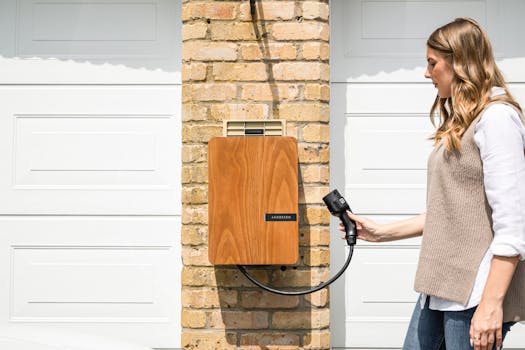
If you own an electric vehicle or are planning to buy one, understanding the difference between Level 2 and Level 3 chargers is critical. Your choice affects charging speed, installation cost, electrical requirements, and daily convenience. For most homeowners in Newcastle, Seattle, and the King County area, the answer is simpler than you might think — but let's break down exactly why.
Before we dive into Level 2 vs Level 3, it helps to understand the three charging levels:
Key takeaway: Level 3 chargers are almost never installed at homes — they're found at commercial charging stations. For residential use, you're choosing between Level 1 and Level 2.
Level 2 is the gold standard for home EV charger installation across the United States, and Washington State is no exception.
Level 2 chargers use your home's existing 240V power infrastructure (the same voltage that powers your electric dryer or oven). The charger sits on your garage wall and connects to a dedicated circuit in your electrical panel. When you plug in your EV at night, it begins charging and can fully charge most vehicles by morning.
A typical Level 2 charger delivers 20-44 miles of range per hour, depending on:
For example, a Tesla Model 3 gets about 30 miles per hour from a standard Level 2 charger. A Chevy Bolt EV gets approximately 25 miles per hour. A full charge (200-300 miles) typically takes 6-10 hours overnight.
A Level 2 charger installation in Seattle costs between $600 and $1,500 total, including:
Costs vary based on distance from the electrical panel and existing electrical service capacity.
To install a Level 2 charger, your home needs:
Many older Newcastle and Bellevue homes with 100 amp service can add a Level 2 charger, but it may require load management. Homes with electric heating or older service sizes may need a panel upgrade.
Level 3 charging is an entirely different animal. Here's what you need to know.
DC fast chargers bypass your vehicle's onboard charger and deliver power directly to the battery. This requires industrial-grade equipment and massive power supply — often 150+ kilowatts of power. These chargers are what you find at public charging stations along highways and in commercial districts.
A DC fast charger can add 150-350+ miles of range per hour, with some newer chargers approaching 500 miles per hour. A 30-minute charge can bring many modern EVs from 10% to 80% battery.
Several critical reasons make Level 3 impractical for residential use:
DC fast chargers require 3-phase power (industrial electricity) and 400-1000V input. Most homes have single-phase 120/240V service. Getting 3-phase power installed requires utility coordination costing tens of thousands of dollars.
A residential DC fast charger installation would cost $50,000-$150,000+ including electrical service upgrades, equipment, and site preparation. Compare this to $600-$2,500 for Level 2.
Frequent DC fast charging degrades battery health faster than Level 2 charging. Using Level 2 for daily charging extends battery life. DC fast charging is best reserved for long road trips, not daily use.
A 150+ kilowatt charger would severely stress residential electrical infrastructure. You'd need a new electrical service entrance, upgraded utility connection, and potentially a separate utility meter — all extremely expensive.
Most EV owners charge overnight at home. Level 2 charging is more than sufficient to fully charge your vehicle for the next day's driving. You don't need what would take 30 minutes when you have 8+ hours at night.
Installing a DC fast charger at home is like buying a commercial espresso machine for your kitchen — technically possible, but impractical and wasteful. Level 2 charging at home is where the value is.
- Clarity Electric LLC
| Feature | Level 2 | Level 3 (DC Fast) |
|---|---|---|
| Voltage | 240V | 400V-1000V+ |
| Charging Speed | 20-44 miles/hour | 150-350+ miles/hour |
| Installation Cost | $600-$1,500 | $50,000-$150,000+ |
| Home Installation Practical? | YES - Standard choice | NO - Extremely rare |
| Daily Use Battery Impact | Optimal - preserves battery | Poor - degrades battery |
| Full Charge Time | 6-10 hours | 20-45 minutes |
| Best Use Case | Daily home charging | Road trips, public stations |
| Electrical Service | Residential (200A) | Industrial 3-phase |
Jennifer and Mark own a 2024 Tesla Model Y in Newcastle. They were initially curious about DC fast charging before learning the realities:
"Level 2 at home has been perfect for us," Mark said. "We plug in every night and wake up with a full charge. We don't need anything faster."
There are narrow circumstances where residential DC fast charging might make sense:
For residential single-family homes in Newcastle, Seattle, and King County? Level 2 is the answer 99.9% of the time.
If you're an EV owner or buying one soon, here's what to do:
Get a Level 2 charger installed at your home. It's affordable ($600-$1,500), practical, and covers 95%+ of your daily driving needs.
Have a licensed electrician assess your home's electrical service. Most modern homes can handle Level 2. If you need a panel upgrade, it's still far cheaper than DC fast charging.
On long road trips, use public DC fast charging stations. They're everywhere now, and your daily commute doesn't require that speed.
Wake up every morning with a full charge. No morning anxiety about range. That's the Level 2 advantage.
Clarity Electric LLC serves Newcastle, Renton, Bellevue, Issaquah, Sammamish, and all of King County. We install top-quality Level 2 chargers with professional electrical work and full permitting.
Call 425-210-4791 for a free consultation or request a free quote. Let's get you set up with fast, reliable home charging.